
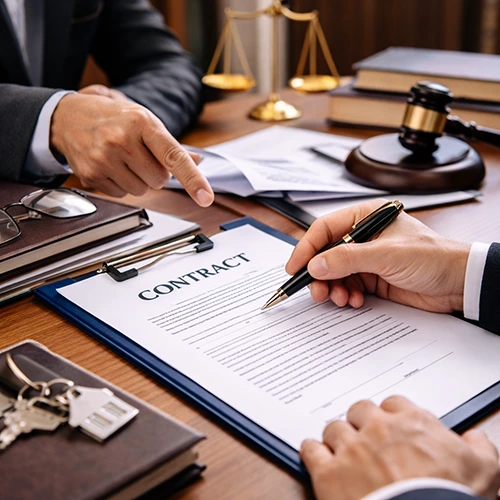



The Importance of Understanding Real Estate Laws for Investors
Real estate investment is considered one of the best ways to invest money, as real estate is a fixed asset that generates sustainable financial returns. However, investing in real estate requires comprehensive knowledge of real estate laws and regulations to ensure legal protection of funds and investments. Through this article, we will explore how to protect your real estate investment using appropriate real estate laws, and how to handle legal obstacles you may encounter.
🏠 The importance of understanding real estate laws for investors
Understanding real estate laws is the first step in ensuring the protection of your real estate investment. Real estate investment requires careful study of related legal systems, as real estate laws aim to regulate rights and obligations related to real estate, whether purchasing, selling, leasing, or development.
1. Protection of Investor Rights
Real estate investment requires substantial financial costs, making the protection of investor rights crucial. Through contract signing and reviewing legal documents, investors can ensure that their rights are protected throughout all stages of the transaction.
Verifying property ownership: The investor must ensure that the seller has full rights to sell the property and that there is no legal dispute regarding property ownership.
Compliance with local laws: The property must comply with all construction and building laws in the relevant country.
2. Determining Property Rights
Real estate laws clarify property rights and how to protect property from any disputes that may arise between parties. Property rights include the right to use, lease, sell, or transfer the property.
Registration in the real estate registry: It is important to register the property officially in real estate records, as this enhances owner rights protection and ensures no future legal claims against the property.
Inheritance rights: Inheritance rights in the property must be determined, especially if ownership is multi-party or inherited.
3. Resolving Real Estate Disputes
Real estate laws provide legal mechanisms for resolving real estate disputes. These disputes may relate to property rights, property boundary disputes, or tenant-landlord disputes.
Mediation and arbitration: Laws provide mechanisms such as mediation and arbitration to resolve disputes outside courts, facilitating faster and more effective solutions.
Judiciary: If the dispute cannot be resolved amicably, investors can resort to real estate courts to obtain a legal judgment determining fault and how to settle the dispute.
🏢 Tips for real estate investors:
Verify the authenticity of property-related documents:
Investors must ensure all property-related documents are valid, including title deeds, building permits, and government approvals.
Ensure legal document validity to avoid any legal surprises that may occur after purchasing the property.
Ensure the property complies with local building laws:
Laws vary by region, so verify that the property complies with local building codes and urban planning regulations.
It is essential for investors to verify that the property was not built in prohibited areas or on unlicensed land for construction.
Consult a real estate attorney to review real estate contracts before signing:
A real estate attorney helps examine contracts and ensures they comply with local and international laws.
Sales contract review: The attorney should review sales contract terms to ensure there are no legal loopholes that could be exploited against the investor in the future.
Verification of penalty clauses: It is essential for investors to ensure that the penalties section in the contract precisely defines what happens in case of any contract breach.
Compliance with Environmental and Regulatory Laws:
Sometimes, real estate investment requires specific compliance with local environmental regulations, such as maintaining green spaces or protecting natural resources.
Investors must comply with all environmental regulations related to construction or real estate development to avoid any legal penalties.
Good Planning Before Investment:
Before making an investment decision, it is recommended to conduct a feasibility study to understand potential property returns. This includes proper estimation of market value for the property in the future.
Good planning helps identify potential risks and ensures the investment is secure and long-term.
Conclusion:
Understanding real estate laws is fundamental for achieving real estate investment success and ensuring investor rights. If you are considering investing in real estate, it is essential to ensure review of all legal documents and verify that the property complies with local and global legislation.
Consulting a specialized real estate attorney is the optimal choice to ensure your rights and avoid future disputes. By applying these tips, you can protect your real estate investment and enjoy stable and secure financial returns.
